Technical catalog
Wilwood Powerlite Caliper: Specs and Installation
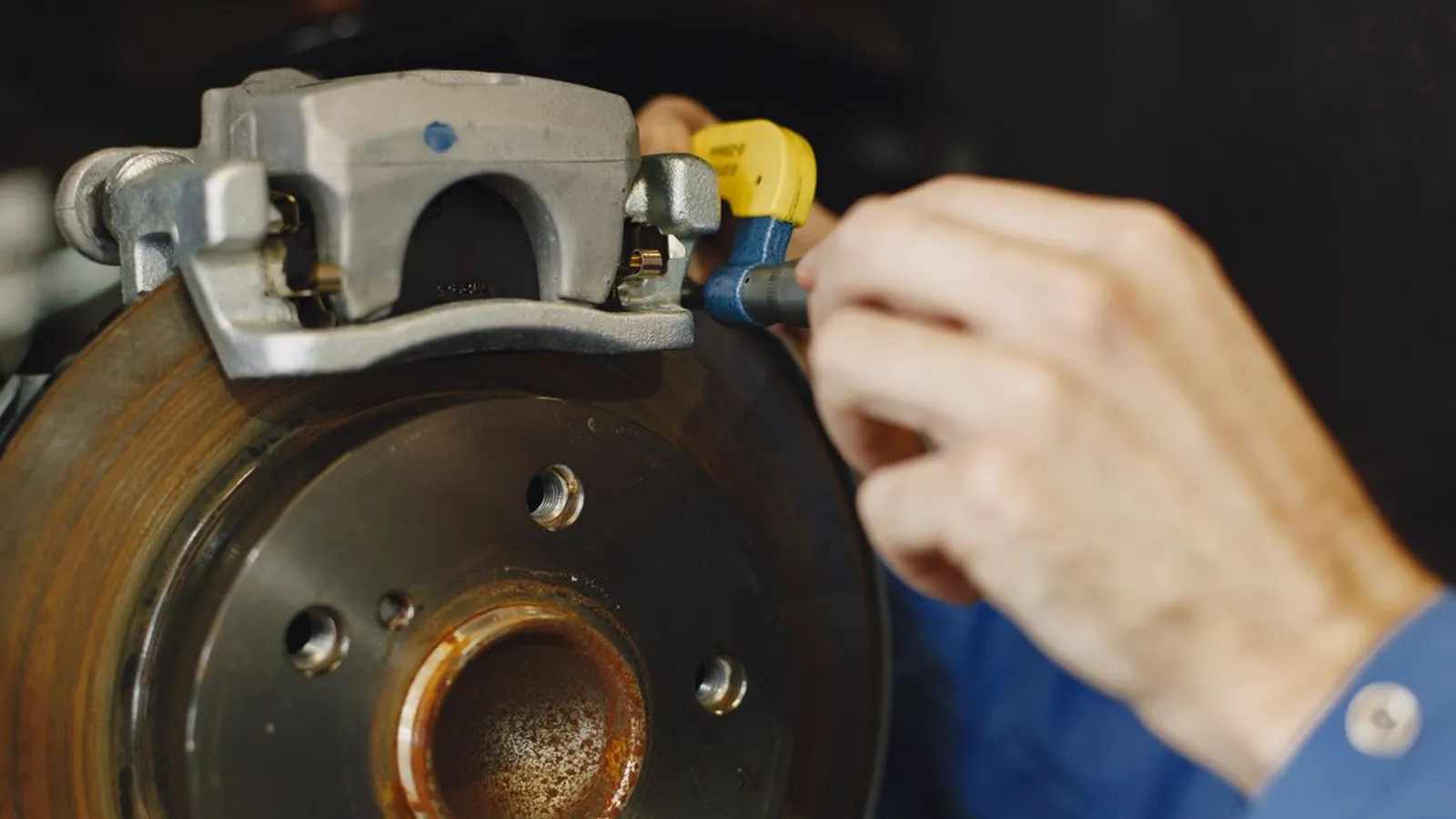
The Powerlite is a four-piston caliper from the Wilwood range, used on race and competition cars. This page describes its general characteristics, the uses it is designed for, how to compare it with other four-piston calipers, and the points to check during fitting.
Powerlite Technical Specifications
A four-piston caliper applies the brake pressure to the pad at four points. The Powerlite follows the same principle: hydraulic pressure pushes the pistons, which press the pad against the disc. Exact piston diameters, mounting centres and weights depend on the version and must be read on the manufacturer's data sheet.
This catalog does not give performance figures for the model, because no verified source is available. Before buying, ask for the exact caliper reference and an up-to-date data sheet.
Recommended Applications
Four-piston calipers are usually chosen for large discs, or for uses where the car brakes hard and repeatedly, for example on a circuit. A caliper of this type needs a compatible disc and hub, and enough space behind the wheel.
For moderate use, a simpler caliper may be enough. The choice should be based on real use and the rules of the discipline, not on the number of pistons alone.
- Check the disc diameter you plan to use.
- Check the clearance between the caliper and the wheel.
- Choose the pad for the temperature range of your use.
Comparison with Other Four-Piston Calipers
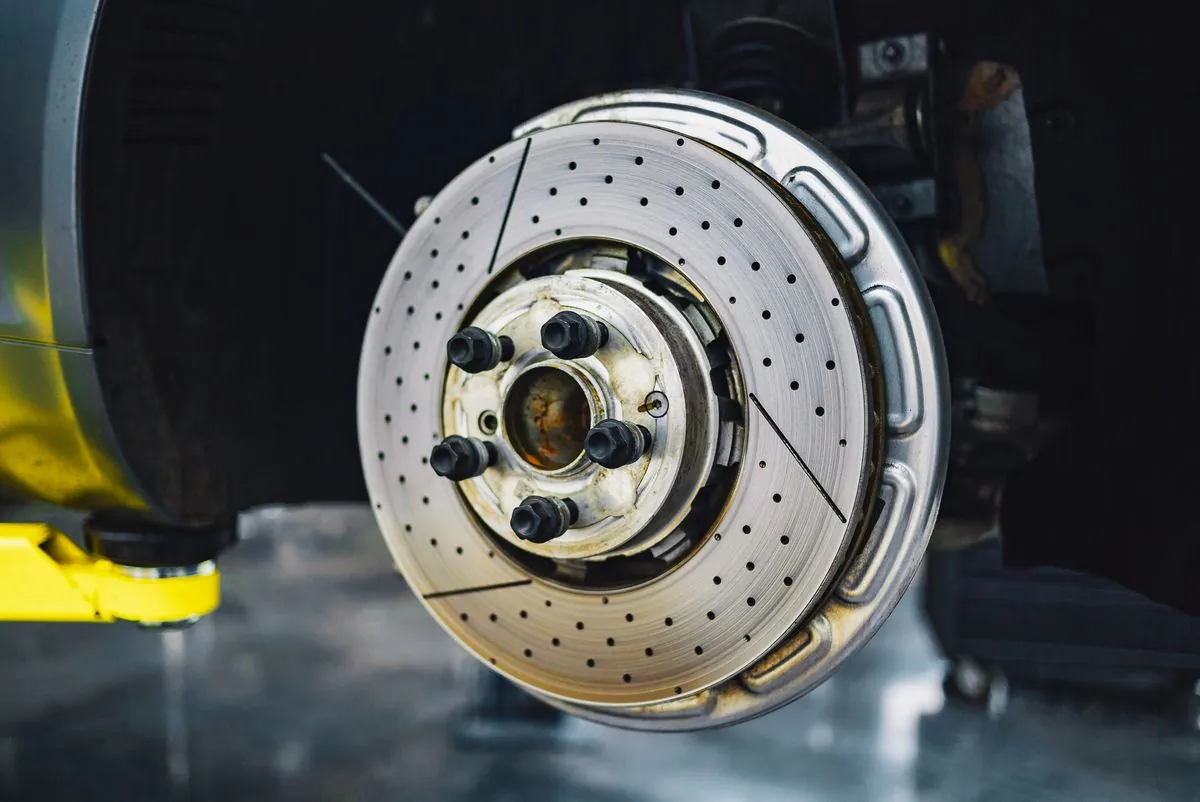
Comparing two four-piston calipers means looking at several points: the body (one-piece or two-piece), stiffness, weight, piston diameter, mounting style and compatibility with the discs and pads available. Two calipers with the same number of pistons can behave very differently.
Weight and stiffness affect pedal precision, but the most important factor is the consistency of the complete system: disc, pad, master cylinder and hoses.
Installation and Adjustment
Fitting starts with checking the mounting centres and the routing of the hoses. The caliper must be fixed with the bolts and torque given by the manufacturer. Too little torque can loosen the mounting, and too much can crack the body.
After fitting, bleed the circuit in the prescribed order, then check the pedal at rest and after a few warm-up stops. A spongy pedal almost always means air in the circuit.
- Tighten the mountings to the manufacturer's torque.
- Bleed the caliper furthest from the master cylinder first.
- Check for leaks after the first outing.
Maintenance and Spare Parts
Check pad wear, piston condition and the seals at every service. Replace the brake fluid on the manufacturer's schedule, because it absorbs moisture and its boiling point drops.
Spare parts availability depends on the version of the caliper. Before buying, confirm that suitable seals, pistons and pads are available from your supplier. Keep a note of the reference printed on the caliper body, because seals and pistons are often sold by reference rather than by model name. When a rebuild is planned, ask whether the caliper can be serviced with the parts still in stock, and whether the bleed screws and fittings are supplied with the new seals. A caliper that is stripped, cleaned and reassembled should be checked for free movement of the pistons before it goes back on the car. A piston that sticks in its bore gives uneven pad wear and a pedal that does not return cleanly.
Frequently asked questions
What is the weight of the Powerlite?
The weight depends on the version. This catalog does not give a figure without a verified source; ask the manufacturer or supplier for the data sheet of the exact model.
Which vehicles is it suitable for?
That depends on the disc, the hub and the space available behind the wheel. Check the compatibility of the exact model with your car before buying.
What brake pads should I use?
Choose a pad that is compatible with the caliper and suited to the temperature range of your use. Follow the recommendations of the caliper and pad manufacturers.