Technical catalog
Wilwood Brake Components: Overview and Selection
Wilwood is an American manufacturer of brake components used in competition, from circuit racing to hill climbs. This page gives an overview of the range, explains how the parts fit together, and lists the points to check before you choose a caliper, a disc or a complete kit.
Overview of the Wilwood Range
The Wilwood range covers calipers, discs, pads, master cylinders and a wide selection of hydraulic accessories. Many preparers choose it because the parts are designed to work together, which makes it easier to build a complete system.
A competition brake system is never a single part. The caliper applies the pressure, the disc carries away the heat, the pad sets the friction and the master cylinder controls the hydraulic pressure available. A consistent range helps keep these four elements in balance.
Calipers: Models and Specifications
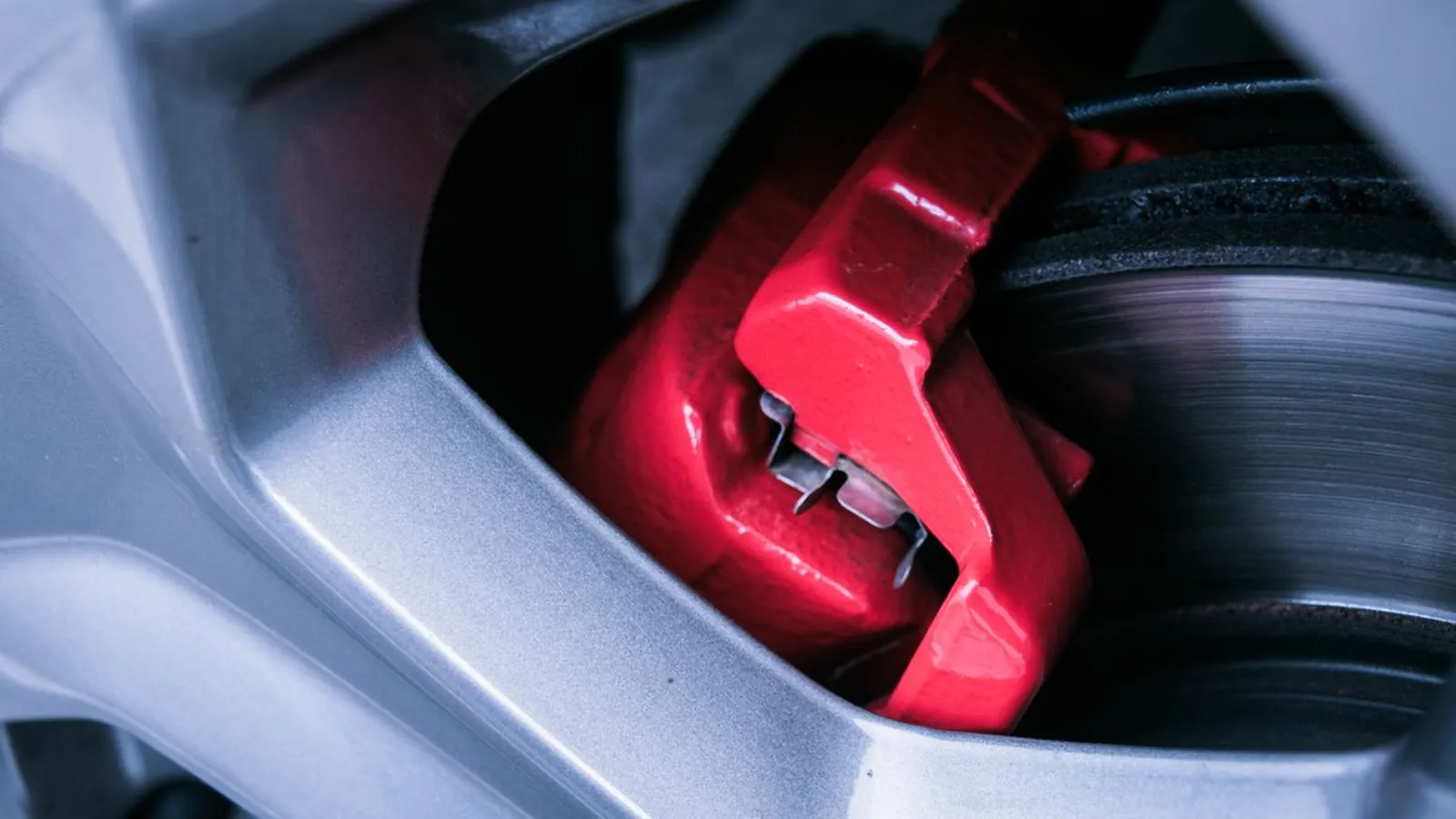
Wilwood calipers come in several piston layouts and mounting styles. The number of pistons, their diameter and the position of the caliper relative to the disc all affect how pressure is spread over the pad and how the pad wears. These values are not interchangeable at random: they must match the disc and the hub you plan to use.
The caliper body can be one-piece or two-piece, depending on the model. A one-piece body is often stiffer, which improves pedal precision. For a race car, always check the data sheet of the exact model rather than relying on the name of the series.
- Note the disc diameter and the mounting centres.
- Check the clearance between the caliper and the wheel.
- Record the piston diameter and the pad type planned.
Discs and Pads
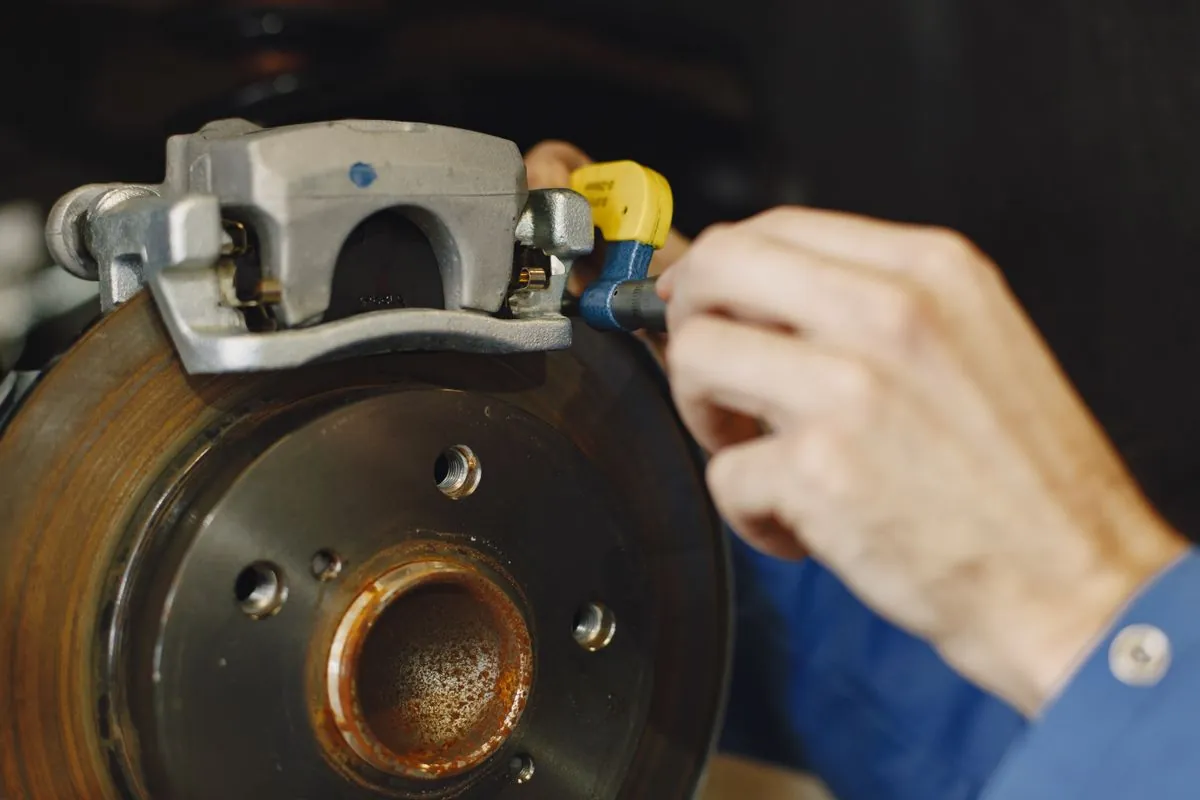
The disc and the pad form a pair. A solid disc, a vented disc and a drilled disc do not behave the same way when hot, and the pad must be chosen for the real temperature range of your use. A pad that is too hard on a brittle disc can crack it; a pad that is too soft can fade during a long session.
Before each season, check the minimum disc thickness given by the manufacturer, the flatness of the friction surface and the absence of cracks around the holes. A marked or blued surface is a sign of overheating that should be dealt with before you go out again.
Master Cylinders and Accessories
The master cylinder sets the volume and pressure of fluid sent to the calipers. Its bore must suit the pedal travel and the piston area of the calipers, otherwise the pedal becomes too hard or too soft. Accessories include braided hoses, fittings, brake balance bars and fluid reservoirs.
Good braided hoses limit expansion under pressure. Check their condition at every service, because a hose that swells or cracks loses pressure exactly when you need it most.
Compatibility and Installation
Compatibility starts with the hub, the disc diameter, the mounting pattern and the space available behind the wheel. Then check the routing of the hoses, the position of the master cylinder in the cockpit and whether the brake fluid is compatible with the seals in the system. A well-chosen component can still be fitted badly: torque values, bleeding and positioning must follow the manufacturer's figures.
Bleed the circuit in the order given in the instructions, starting from the caliper furthest from the master cylinder. An incomplete bleed gives a spongy pedal, and that has nothing to do with the quality of the caliper itself.
- Confirm hub compatibility before ordering.
- Check hose routing through the full suspension travel.
- Bleed the circuit in the prescribed order.
Maintenance Tips
Check pad wear, piston condition and any leak around the calipers and fittings at regular intervals. Replace the brake fluid on the manufacturer's schedule, because it absorbs moisture and its boiling point drops.
After an intensive session, inspect the discs and calipers before putting the car back in service. A burnt smell, a pedal that sinks or unusual vibration are signs that should never be ignored.
Frequently asked questions
What are the most popular Wilwood caliper models?
Popularity depends on the discipline and the car. This catalog does not rank models: check the current range on the manufacturer's site and ask preparers in your discipline.
How do I choose a Wilwood brake kit?
Start from the disc diameter, the mounting pattern and the intended use. Then compare the data sheets of the calipers, discs and master cylinder, and make sure they are designed to work together.
Is Wilwood compatible with my car?
That depends on the hub, the wheel and the space available. Measure your vehicle and compare with the manufacturer's compatibility documentation before you buy.