Technical catalog
Right Air Vent Inlet 260 mm: Mounting and Purpose
A 260 mm air vent inlet carries fresh air to a brake disc or caliper to limit overheating. This page explains the role of the part, the specifications of the Ø260 mm model, fixing, maintenance and the choice of diameter, staying with what ventilation can and cannot provide.
Role of the Air Vent Inlet
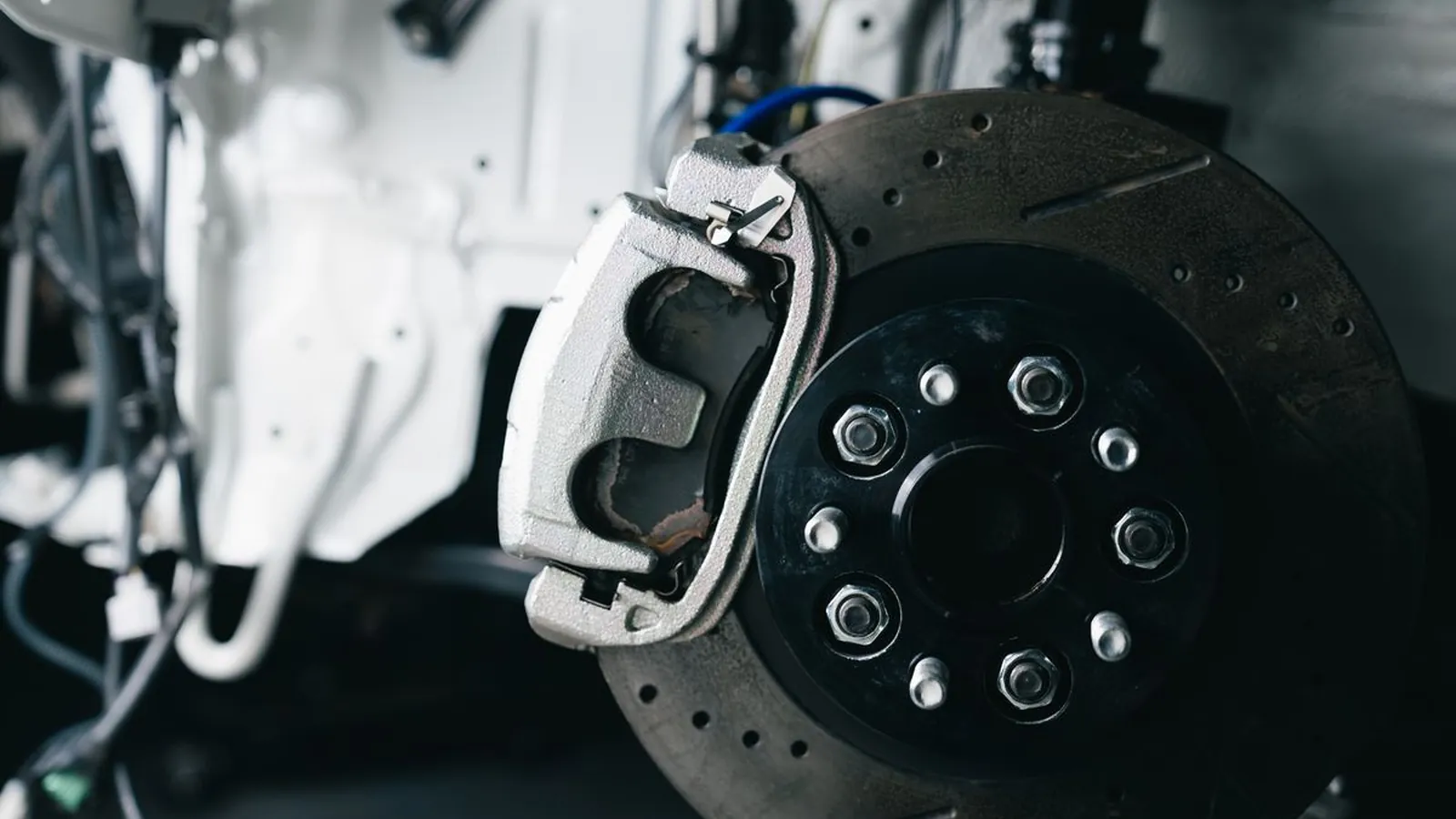
A brake disc heats up during braking. Part of that heat is released into the air flowing around the disc, and an air vent inlet directs a flow of fresh air towards that area. The aim is to lower the temperature of the disc, the caliper and the fluid, so that braking stays stable during a long session.
The gain depends on the speed of the vehicle, the position of the inlet, the shape of the duct and the space where the air can leave. A well placed front inlet can help; a badly aimed one can instead add drag without a real benefit.
Specifications of the 260 mm Model
The 260 mm diameter refers to the inlet opening of the part. It must be compatible with the duct or the fitting planned on the bodywork or the wheel arch. The thickness given in the reference concerns the wall of the part; it does not by itself describe the resistance to impact.
This catalog does not give an airflow figure or a temperature gain for this model, because no verified source is available. Ask the supplier for the data sheet and, if possible, measurements made on a comparable vehicle.
- Measure the opening diameter planned on the bodywork.
- Check the wall thickness and the material.
- Ask for the data sheet with the fixing dimensions.
Installation and Mounting
The inlet must be fixed firmly to the bodywork or the structure, without moving under vibration. A loose mounting can rub against the wheel or a neighbouring part. The fixing points must be chosen to carry the load without cracking the part.
Orient the opening towards the air that arrives while the car moves, without obstructing the wheels or the exit of the hot air. Check the clearance at every steering lock and at every suspension movement.
- Fix the part to the structure, not only to a panel.
- Check the clearance over the full suspension travel.
- Check the orientation of the opening before final tightening.
Maintenance and Cleaning
Clean the inlet and the duct regularly to remove mud, leaves and gravel. A blocked opening reduces the flow, whatever the quality of the part. Check any grille or filter as well.
Check the fixings and the condition of the part after every hard session. A crack, a deformation or a loose fixing must be dealt with before the next session.
Choosing the Diameter and Its Limits
The 260 mm diameter must be chosen according to the opening available and the ducts connected to it. A larger diameter is only justified if the space and the flow allow it; it does not make up for a poor orientation.
Brake ventilation does not replace a properly sized braking system. Discs, pads and brake fluid remain the first factors in thermal behaviour.
Before adding an inlet, log the brake temperatures you already see in a session, with and without the existing bodywork openings. Without a baseline, it is impossible to say whether a change helped, and a change that looks good on the day may simply reflect a cooler track or a lighter fuel load.
Keep the fixings and the duct connections visible during the first checks. A duct that fits well at standstill can move under load and rub against a hot component, so a short inspection after the first laps is worth the time.
Frequently asked questions
Why ventilate the brakes?
To release part of the heat from the disc and caliper during repeated braking, so that behaviour stays stable. The real gain depends on the installation.
How do I install an air vent inlet?
Fix it firmly to the structure, orient the opening towards the incoming air, check the clearance over the full suspension travel and recheck the fixings after the first outings.
What diameter should I choose?
The diameter depends on the opening available on the bodywork and the ducts planned. This catalog does not give a universal rule; ask a preparer for advice.