Technical catalog
Four-Piston Calipers: Design and Selection
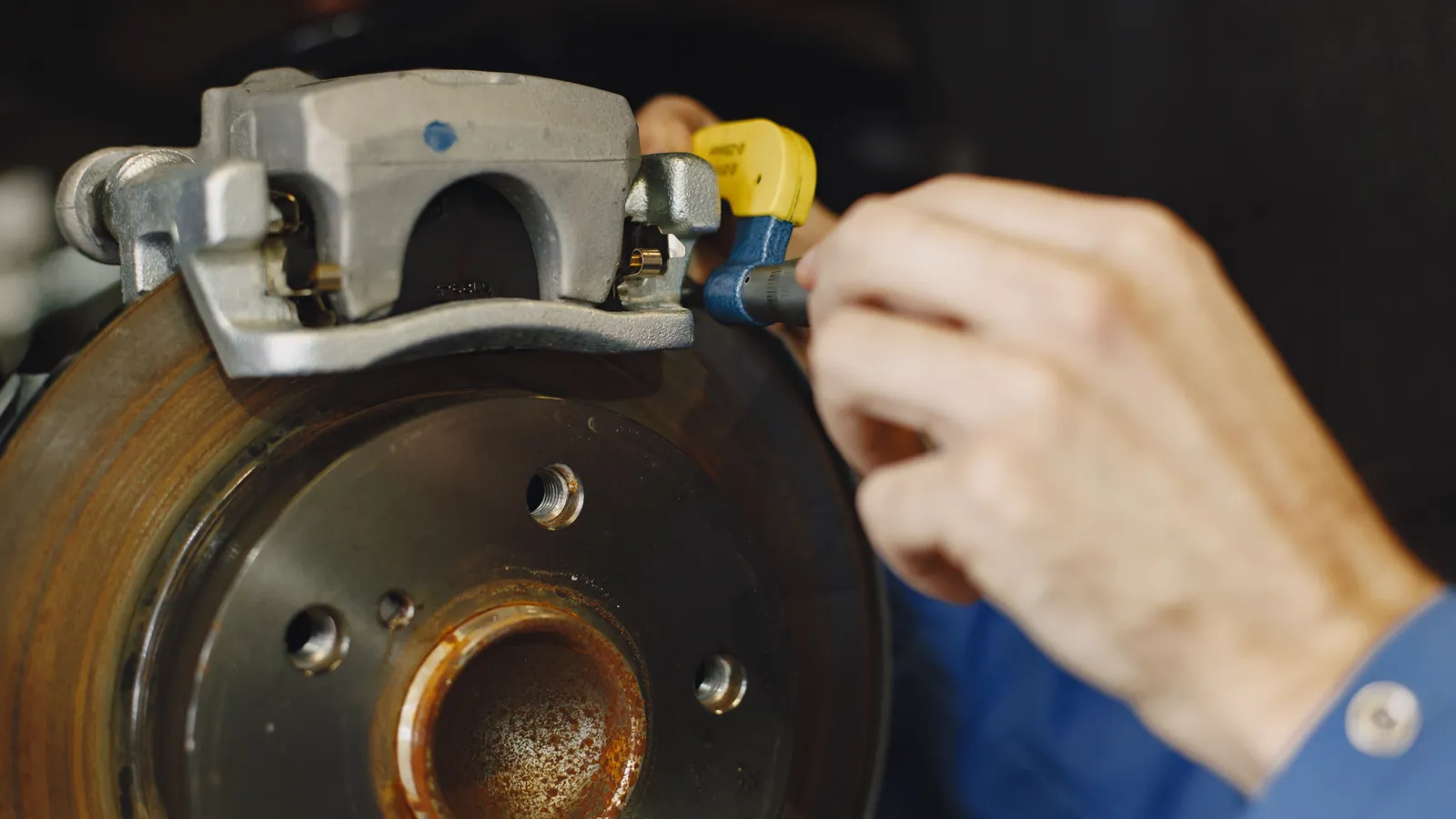
A four-piston caliper presses the brake pad against the disc with four points of pressure instead of two. This guide explains how it works, what it really brings to a race car, and which criteria matter when you choose one.
How a Four-Piston Caliper Works
In a caliper, brake fluid pushes pistons that press the friction pads against the disc. With four pistons, the force is spread over four points on the pad. The principle is the same as with two pistons: hydraulic pressure creates the force, and the disc slows the wheel through friction.
With four pistons the pressure on the pad can be more even, which reduces the areas that wear faster than others. That evenness still depends on the caliper setup and on the pad material.
Advantages Over Two-Piston Calipers
Four-piston calipers are more often chosen when the disc is large or when the car brakes hard and repeatedly, for example on a circuit. They can also hold a steadier braking effort as the pad heats up.
This gain does not happen automatically. A bigger caliper is heavier, needs more brake fluid and must match the disc and the hub. A well-tuned two-piston caliper can be enough for moderate use.
- Check the disc diameter and the mounting centres.
- Check clearance to the wheel and the space available.
- Use brake fluid suited to the track temperature.
Materials and Design
Caliper bodies are machined from aluminium to save weight, or made from steel for higher stiffness. Pistons are usually aluminium or stainless steel, with seals that must resist the temperature and the brake fluid in use.
The stiffness of the caliper body affects braking precision. A body that flexes under load uses part of the piston travel and makes the pedal feel less precise.
How to Choose a Four-Piston Caliper
Start with compatibility: disc diameter and thickness, mounting pattern, centres and the space between disc and wheel. Then check the pad type planned for your use, the body design and the availability of spare parts.
Ask for the exact reference of the disc and the pad. A caliper is rarely changed on its own without the rest of the system being matched.
Installation and Bleeding
After fitting, the circuit must be bled to remove air, which makes the pedal spongy. Bleeding follows a set order, starting from the caliper furthest from the master cylinder. A badly bled circuit gives a soft pedal and too much travel.
Follow the torque values given by the manufacturer for the mounting bolts and the fittings. Too little torque can loosen the caliper; too much can crack the body.
Maintenance and Reliability
Check pad wear, piston seal condition and any leaks at regular intervals. Replace the brake fluid on schedule, because it absorbs moisture and its boiling point drops.
In competition, inspect the caliper after every heavy session. Excessive heat, a burnt smell or unusual vibration are signs that should never be ignored.
Keep a written record of every caliper change: the reference fitted, the disc and pad used, the fluid type, the torque values and the date of the last check. When a problem appears in a later session, this record shortens the diagnosis, because you can compare the new behaviour with the setup that worked before.
When two calipers are offered for the same car, ask the supplier for both data sheets and compare them point by point. A difference of a few millimetres in mounting centres or disc clearance can decide whether a caliper fits at all, and no amount of good design can correct a mismatch of that kind.
Frequently asked questions
What are the benefits of a four-piston caliper?
It spreads pressure over four points on the pad and can give steadier braking under intensive use. The gain depends on the complete system and on the setup.
How do I bleed a brake system?
Bleed the calipers in the order given by the manufacturer, starting with the one furthest from the master cylinder, using fresh fluid and without letting the reservoir run dry.
What brake fluid should I use?
Choose a fluid whose boiling point suits your use and that is compatible with the seals in the system. Follow the instructions of the vehicle and caliper manufacturers.