Technical catalog
Wilwood Brakes: Overview and Motorsport Applications
Wilwood braking systems bring together calipers, discs, pads and hydraulic accessories. This article gives an overview of these systems, their key components, their compatibility with race and road cars, step-by-step installation, maintenance, and a comparison with other brake brands.
Introduction to Wilwood Braking Systems
Wilwood offers braking sets designed for competition, where each element is meant to work with the others. This system logic makes selection easier when equipping a complete car, because the parts are described as matching each other.
A system cannot be judged on one part alone. The caliper, disc, pad, master cylinder and hoses form a chain, and the weakness of one link limits the whole. This article therefore covers the system rather than a single component.
Key Components: Calipers, Rotors, and Pads
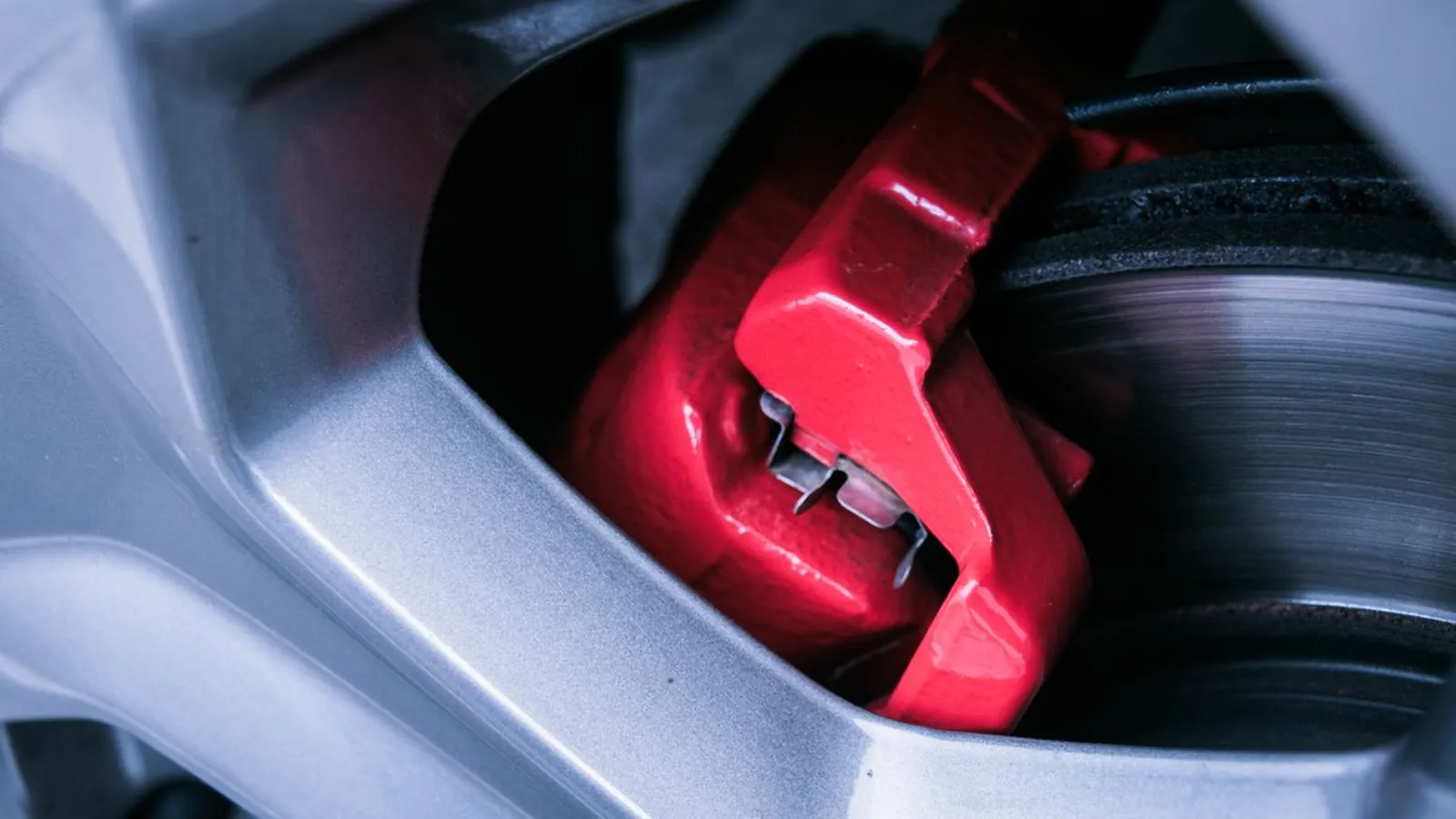
The caliper applies pressure to the pad, which rubs on the rotor. The number of pistons and their diameter set how the pressure is spread. The rotor carries away heat; its shape, solid or vented, affects how it handles temperature. The pad must be chosen for the real temperature range of the use.
This catalog does not give performance figures for a specific reference without a verified source. Compare the manufacturer's data sheets before putting the kit together.
- Check the rotor diameter and the mounting pattern.
- Choose the pad for the operating temperature.
- Check the minimum rotor thickness.
Motorsport Applications and Performance Benefits
Competition applications range from circuit racing to rallies and hill climbs, each with different heat loads, duty cycles and service intervals. A kit that suits a short circuit session may need a different pad or rotor for a long endurance race.
Performance benefits depend on the whole system and on how it is set up, not only on the brand. This catalog does not quantify them without measured data.
Installation Guide and Best Practices
Fix the calipers and rotors to the manufacturer's torque, then fit the master cylinder and hoses without any rubbing. Bleed the circuit in the prescribed order, starting with the caliper furthest from the master cylinder.
After fitting, check the pedal at rest and after a few low-speed stops. A spongy pedal almost always means air in the circuit and must be dealt with before the car goes out.
- Torque the fixings to the manufacturer's value.
- Bleed the circuit in the prescribed order.
- Check the pedal at rest, then with gentle stops.
Maintenance Tips and Adjustment
Check pad wear, rotor condition and any leak at every service. Replace the brake fluid on the manufacturer's schedule, because it absorbs moisture and its boiling point drops.
A front-to-rear brake balance adjuster, where fitted, changes the braking balance. Adjust it in small steps and note each setting, so that you can return to a known point if the behaviour gets worse.
Comparing Wilwood with Other Brake Brands
Comparing two brake brands is done on the same criteria: compatibility, weight, caliper stiffness, disc materials, parts availability and quality of the technical documentation. No brand is better in absolute terms; each suits some uses better than others.
This catalog does not rank brands against each other, because no verified comparable measurements are available. Make your comparison from the technical data sheets and your real use.
Frequently asked questions
What are the advantages of Wilwood calipers?
They are designed to work as a system with compatible discs and pads. Their real advantages depend on the model, the compatibility and the use.
How do I choose the right Wilwood brake kit?
Start from the disc diameter, the mounting pattern, the intended use and the regulations of the event, then compare the data sheets of calipers, discs and master cylinder to check they match.
Are Wilwood brakes suitable for street use?
That depends on the model, the compatibility and the law of your country. A competition kit is not automatically suitable for the road; check before fitting.