Technical catalog
Wheel Bolt 12x1.5 Conical: Application and Torque
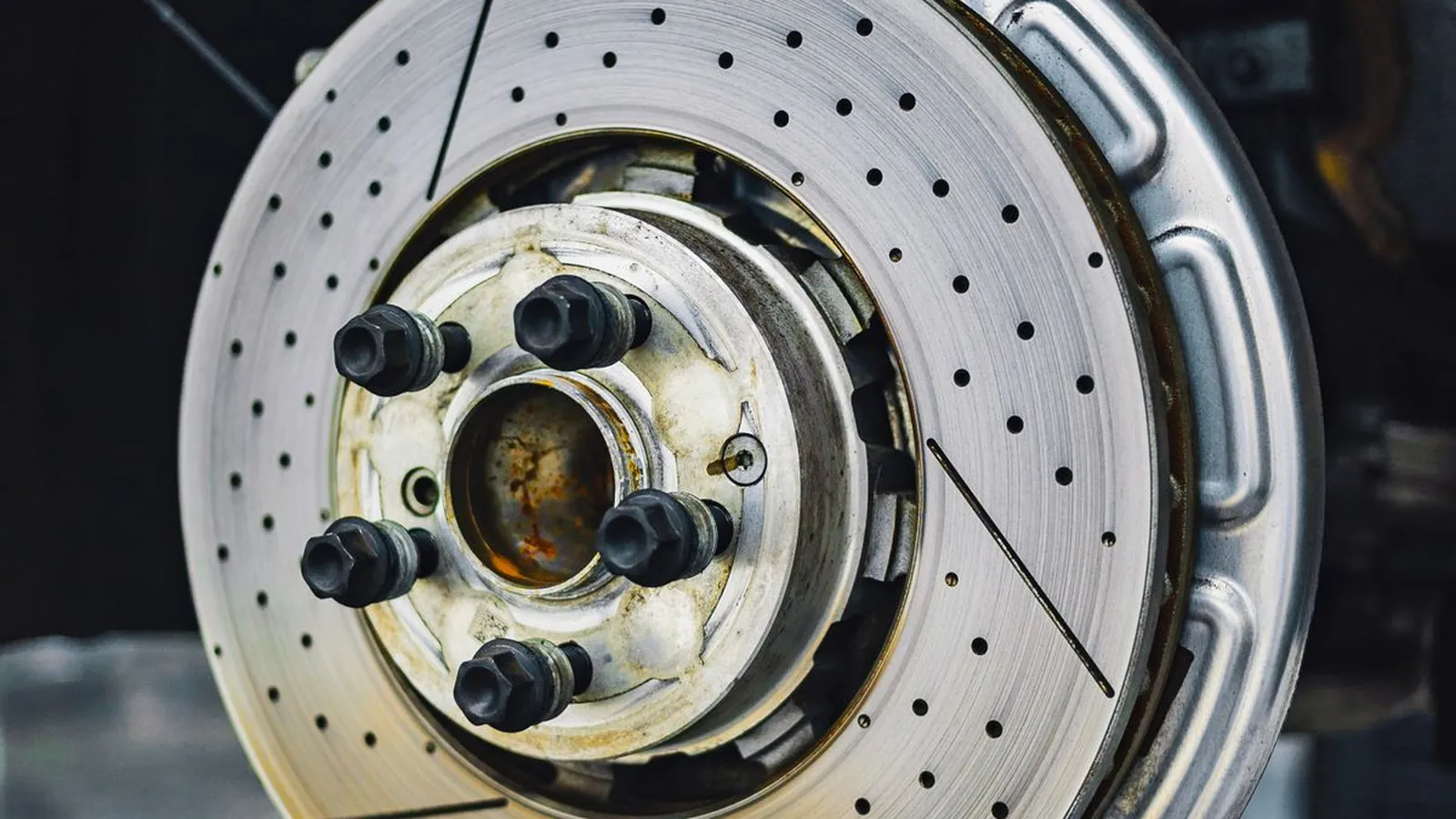
The 12x1.5 conical wheel bolt with a 17 mm head is a competition wheel fixing whose conical head seats in a matching rim seat. This article presents what the bolt is, its materials and surface treatments, competition applications, how to choose the right bolt, installation and torque, and the comparison with original bolts.
What Is a 12x1.5 Conical Wheel Bolt?
A conical-head wheel bolt screws into the hub or a stud, and its head sits in a conical seat of the rim. The cone centres the wheel and spreads the clamping load. The 12 mm diameter and 1.5 mm pitch must match the hub exactly.
The seat type is set by the rim, not by personal choice. A rim designed for a spherical seat must never take a conical bolt by default. This catalog does not give dimensions without a verified source.
- Check the seat type of the rim before buying.
- Confirm the thread diameter and pitch.
- Ask for the data sheet with the usable length.
Materials and Surface Treatments
Competition wheel bolts are made from treated steel, sometimes zinc-plated or coated against corrosion. The treatment protects the surface but does not change the mechanical strength. A flaking head or a scratched thread must be replaced.
Ask for the grade and the material certificate, and keep them with the car file.
Competition Applications
The conical bolt is used on rims with a conical seat, common in rally and circuit cars. The choice depends on the rim, the hub and the regulations of the event.
Check that no bolt bottoms out in the hub hole: the engagement must be sufficient without being excessive.
How to Choose the Right Wheel Bolt
Start from the rim: seat type, hole diameter and thickness. Then choose the thread and the usable length according to the hub thickness and any spacers fitted.
Never mix bolts from different series on the same wheel. A bolt that is too long or too short gives a false clamping reading and can come loose.
Installation and Torque Specifications
Tighten in a star pattern, in several passes, with the wheel lifted or on flat ground, and finish with a torque wrench set to the manufacturer's value for the rim or hub. An unadjusted impact driver is a frequent cause of loosening.
After the first kilometres, check every bolt again. A bolt that turns without resistance must be replaced together with its seat if needed.
- Tighten in a star pattern, in at least two passes.
- Use a calibrated torque wrench.
- Check again after the first kilometres.
Comparison with Original Bolts
Original bolts are sized for road use and a moderate torque; competition bolts are chosen for higher clamping and harder use. They are not always interchangeable with original bolts, because the head shape or the length can differ.
Never replace an original bolt with a competition bolt without checking the seat, the length and the prescribed torque.
Keep the bolt set of each wheel together in the car kit, labelled by wheel position. A mixed set is the usual cause of a wheel that clamps unevenly, and labels make the check at the start of the day quick.
Before a race weekend, count the bolts for each wheel, check the heads for rounding and look at the threads for damage. A bolt found damaged on Friday is a small job; the same bolt found on Sunday morning can cost the start.
Frequently asked questions
What is the difference between conical and spherical bolts?
A conical head seats on a conical seat; a spherical head seats on a rounded seat. Use the type the rim is designed for.
What torque should be applied?
The torque is given by the manufacturer of the rim or hub. This catalog does not give a general value; use a torque wrench.
Can a wheel bolt be reused?
A bolt in good condition can be reused after a trouble-free outing. A deformed, cracked or impacted bolt must be replaced.