Technical catalog
Wheel Spacer 4x10⁸ with 65mm Center Bore
A wheel spacer sits between the hub and the rim to move the wheel out by a few millimetres. This page presents its purpose, the specifications of the 4x10⁸ model with a 65 mm centre bore, the fitting precautions and its impact on handling, so that the reading matches what the part really changes.
Purpose of Wheel Spacers
A spacer increases the track of the vehicle, meaning the distance between the wheels of the same axle. The change can give room for tyres, change the look of the vehicle or affect some behaviour linked to geometry. The real gain depends on the vehicle, its suspension and the setup chosen.
A spacer does not correct a faulty geometry on its own. It moves the wheel outwards, so it also changes the wheel's angle to the ground and the loads on the bearings and the ball joints.
Specifications of the 4x10⁸ 65mm Model
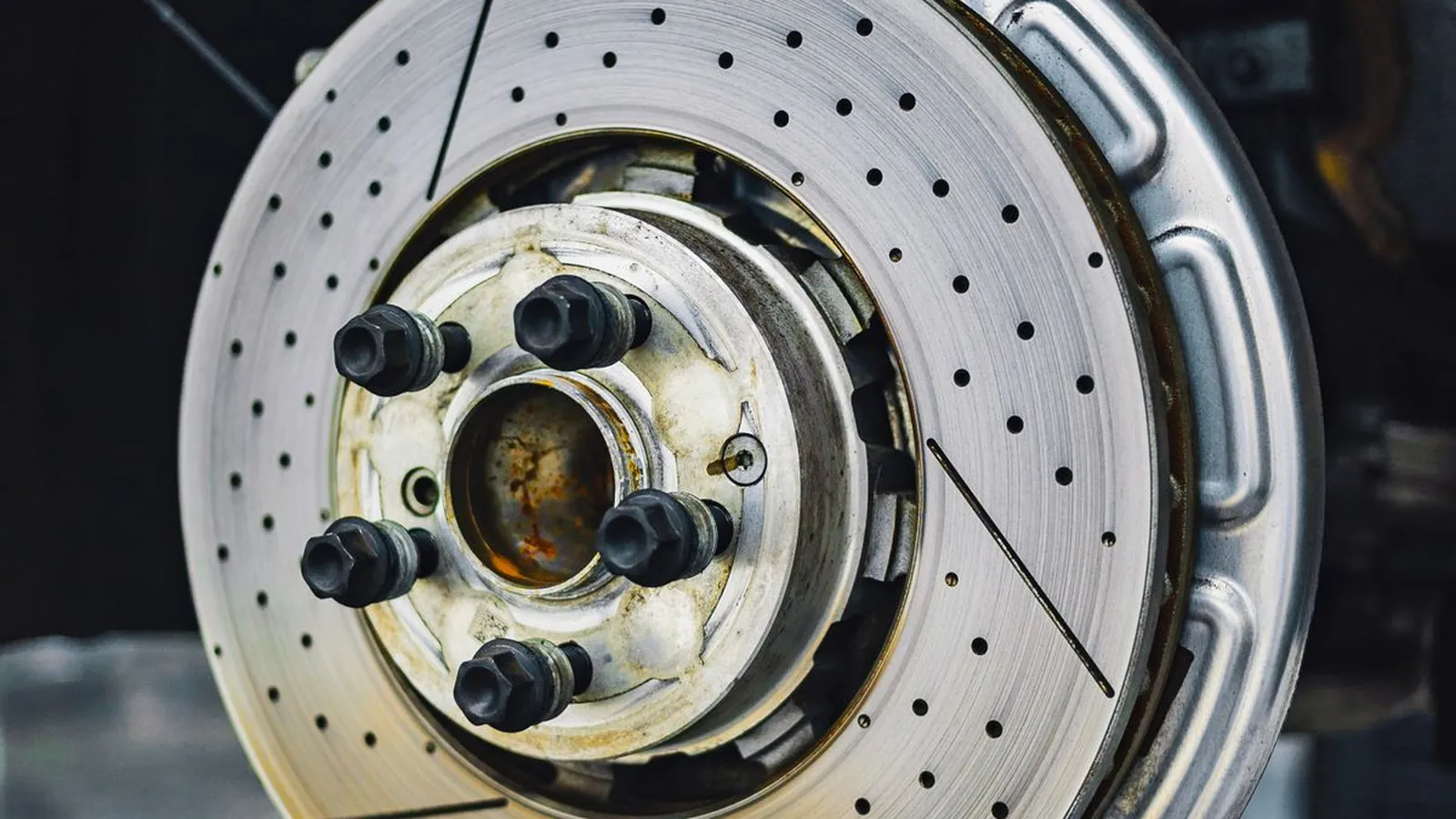
The 4x10⁸ designation gives the number of studs and the pitch circle diameter in millimetres. The 65 mm centre bore must match the hub spigot so that the wheel is located correctly. A smaller bore will not fit; a larger bore needs a centring ring.
This catalog does not give a thickness figure or a permitted load for a specific manufacturer without a verified source. Note the pitch circle, the bore and the studs of your vehicle before any order.
- Check the number of studs and the pitch circle diameter.
- Check the centre bore of the hub.
- Ask the supplier for the available thickness and the permitted load.
Installation and Precautions
The spacer fits between the hub and the rim, with studs or long nuts suited to the added thickness. The length of thread engaged must remain sufficient, and the nuts must not bottom out in the hole. A stud that is too short or a nut that is too long can give a false clamping reading.
Tighten in a star pattern to the torque given by the manufacturer of the spacer and of the wheel. After the first outing, check the clamping, the play of the wheel and the absence of vibration. A vibration that appears after fitting must be dealt with before going back on the road.
- Use studs or long nuts suited to the added thickness.
- Tighten in a star pattern to the manufacturer's torque.
- Check the clamping after the first outing.
Impact on Handling
Moving the wheels outwards changes the lever arm of the suspension and the load on the bearings. A wider track can improve stability in some cases, but it also changes the loads and the reaction of the vehicle in corners. The vehicle should be tested before the setup is considered settled.
A large thickness can increase the loads on the ball joints and the bearings, and may call for a new geometry setting. After any change of track, have the toe and the geometry checked by a professional.
Legal Position and Technical Inspection
The rules on wheel spacers vary from one country to another. Some rules limit how far the wheels may move out or require a declaration or an approval. For road use, check the rules in force before fitting.
In competition, the regulations of the event may forbid or restrict spacers. Ask the organiser for the official position before buying.
Keep the spacer documents with the car file, including the thickness, the bore and the fixings used. If an inspection asks what is fitted, a complete record answers the question at once, and it helps when the same car is set up again for another event.
Frequently asked questions
What is the effect of wheel spacers?
They move the wheel outwards and change the geometry and the reaction of the vehicle. The real effect depends on the vehicle, the suspension and the thickness chosen.
How do I choose the right thickness?
The thickness depends on the space available, the geometry and the rules of the event or the country. This catalog does not give a universal thickness; ask a preparer for advice.
Are wheel spacers legal on the road?
That depends on the country and the local rules. Check the rules in force and any declaration requirement before fitting.