Technical catalog
Double Thread Stud 12x1.5: Application and Installation
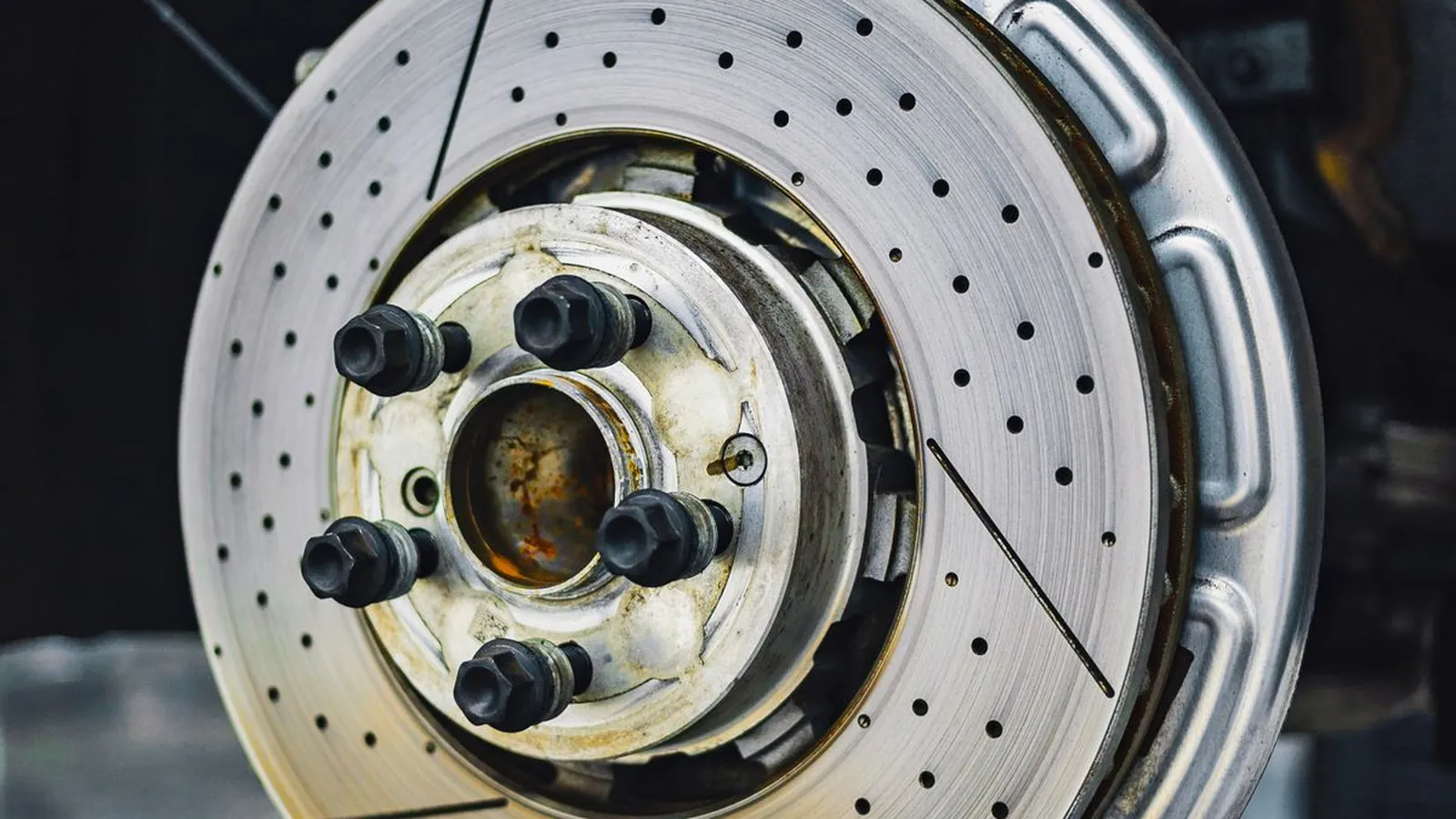
The double thread stud 12x1.5 is a threaded rod with the same thread at both ends. It fixes a wheel or an intermediate part between the hub and the rim. This article explains what this stud is, its thread characteristics, materials, applications, fitting and maintenance.
What Is a Double Thread Stud?
A double thread stud is a rod that screws in at both ends, with the same pitch and diameter. One end fixes into the hub or the spacer, the other takes the nut that clamps the rim. This construction avoids mixing up the thread during fitting.
It should only be fitted if the design of the assembly calls for it. A stud put in place of another one is not a replacement, even if the diameter looks right.
Thread Specifications for 12x1.5
The 12x1.5 designation gives the thread diameter and pitch. The pitch must be checked with a gauge and match both the hub and the nut. Any difference, even a small one, gives poor engagement and clamping that cannot be controlled.
This catalog does not give length or strength figures for a specific stud without a verified source. Measure the shank length you need and ask for the data sheet before ordering.
- Check the pitch of the thread with a gauge.
- Measure the useful shank length.
- Ask for the data sheet with dimensions and permitted load.
Materials and Strength
Competition studs are made from treated steel, sometimes from alloy for a specific use. Strength depends on the material, the treatment and the quality of the thread. A stud of the same diameter but of lower quality can break under torque or impact.
Ask for the grade and the material certificate, and keep them with the car file. A stud failure in competition is a serious risk for the driver and for other competitors.
Applications for Wheels
The double thread stud is used when the design of the wheel or the fixing calls for a through rod. It is often combined with a spacer, whose thickness must be included in the shank length.
Check that the stud and the nut belong to the same series. A mix of different series can give a correct-looking clamp but insufficient real engagement.
Installation and Replacement
Screw the first end into the hub until it bottoms, using a torque or method that follows the manufacturer's instructions, then fit the rim and the nut. Never force a stud into a hole whose thread is damaged.
Replace a stud with the same care as the original fitting, with the wheel lifted. Then check the alignment of the rim and the tightening of every nut after the first kilometres.
- Screw the stud until it bottoms.
- Never force a damaged thread.
- Check the tightening after the first kilometres.
Maintenance and Inspection
Inspect the studs at every session: bent shank, crushed thread, signs of corrosion, play in the hub. A suspect stud must be replaced before the next session, not left until it breaks.
Clean the thread before each refitting and avoid products that would change the real torque.
Keep a labelled box of spare studs of the same series in the car kit, with the part reference written on each. A stud that is replaced at the circuit with the wrong length is a fault that the next check may not catch.
Frequently asked questions
Why use a double thread stud?
When the fixing calls for a through rod, for example with a spacer. Identical threads at both ends avoid confusing the two ends during fitting.
How do I install a wheel stud?
Screw it until it bottoms in the hub, fit the rim, tighten the nut in a star pattern to the manufacturer's torque and check the tightening after the first kilometres.
What torque should I use?
The torque is given by the manufacturer of the rim, the spacer or the stud. This catalog does not give a general value; use a calibrated torque wrench.