Technical catalog
Tubular Chassis and Roll Cage Fabrication
A tubular chassis is a structure made of steel tubes joined by welding, which carries the car and protects the crew in an impact or rollover. This page explains the design of a chassis, the materials used, the welding techniques, the safety standards and the fabrication steps, to give an overview before any project starts.
Design of a Tubular Chassis
Design starts with the brief: type of car, discipline, event regulations and intended use. The drawing sets the position of the main tubes, the diagonals and the mounting points for the suspension, the seat and the harnesses. Every tube has a job: torsional stiffness, crew protection or support for a component.
Good design avoids unnecessary tubes and badly placed joints. A diagonal in the wrong place can add weight without adding stiffness, and an overloaded joint becomes the weak point of the whole structure. Modelling the frame before cutting lets these points be checked at low cost.
Materials Used
The most common steels are carbon steels and low-alloy steels, whose grades are described in the guide dedicated to tubes. Diameter and wall thickness are chosen for the stiffness wanted and for the minimum values set by the regulations. A thicker tube is not always the better choice: it makes welding harder and adds mass the car does not need.
The material certificate of each batch should be kept with the car drawings. It justifies the grade used during a technical inspection, and it avoids mixing batches whose properties may differ.
- Ask for the material certificate of each delivery.
- Respect the minimum diameter and wall thickness in the regulations.
- Store tubes away from moisture and from the ground.
Welding Techniques
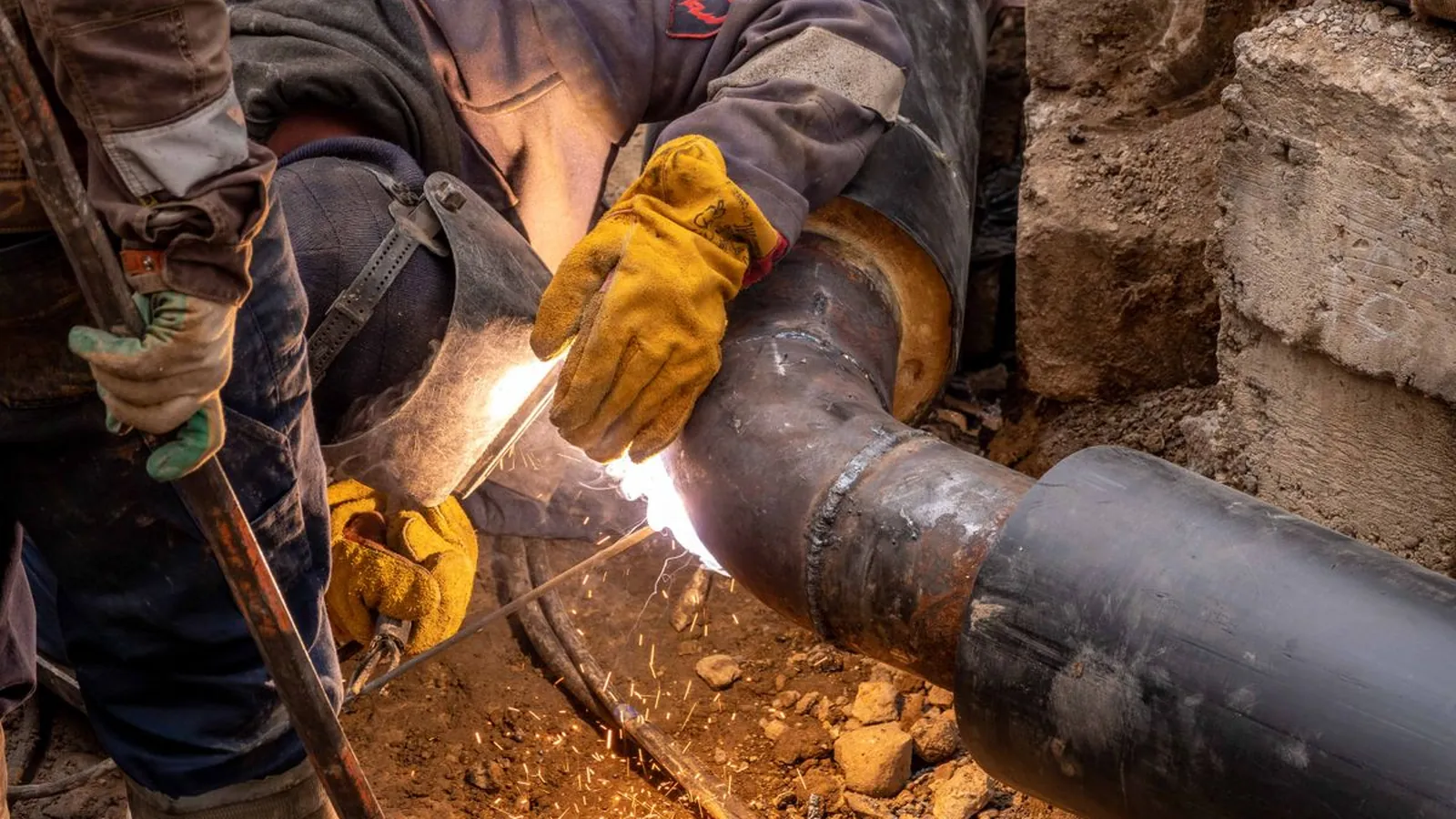
Gas-shielded arc welding is the process most often used for tubular chassis. Quality depends on edge preparation: tubes must be cut to the exact profile of the neighbouring tube, deburred and clean. A badly prepared joint gives a porous weld or lack of penetration, which is hard to spot by eye.
The welding order matters. Work alternates between sides and avoids concentrating heat in one area, which limits distortion. After welding, a visual check of every bead is the minimum; a more thorough check, such as dye penetrant testing, is useful on the most loaded joints.
Safety Standards
Safety rules are set by the regulations of the event or by the technical appendix that applies to the discipline. They usually impose minimum dimensions, materials and mounting points. A structure that does not meet these rules will not pass scrutineering, even if it looks strong.
This catalog does not list the rules, because they change from season to season and from one organiser to another. Read the official regulations before drawing the structure, and have the project validated by the organiser or a technical inspector where possible.
Fabrication Steps
Fabrication usually follows five steps: cutting and deburring the tubes, placing them on a jig or a build table, tacking the joints, final welding and inspection. The jig is the key element: it holds the geometry during welding and prevents the drift that would make the structure unusable.
After fabrication, the structure is compared with the drawing, the dimensions are recorded and the welds are checked. A fabrication log, with grades, batches and welders, makes later checks and repairs after an accident much easier.
Frequently asked questions
What materials are used for a tubular chassis?
Carbon and low-alloy steels are the most common. The choice depends on the regulations, the stiffness wanted and the welding. This catalog does not give a guaranteed value without a certificate.
What standards must be met?
The standards are those of the event regulations and of the technical appendix for the discipline. Check the version in force with the organiser before you start fabrication.
How much does fabrication cost?
The cost depends on complexity, materials and welding time. This catalog does not give prices; ask a builder or a preparer for a detailed quotation.