Technical catalog
Tubes for Roll Cages: Grades, Sizes, Selection
Roll cage tubes are made from steels whose composition and properties are governed by standards. This article completes the note on the TU37B and 25CD4S grades: it covers the steel grades in more depth, the characteristics to check, the sizes available, the roll cage standards, and the rules for welding and forming.
Steel Grades: Composition Reference
A steel grade defines a precise chemical composition, with set levels of carbon, chromium, molybdenum or manganese. These levels determine whether the tube can be welded, bent and resist deformation. Two tubes of the same diameter can behave very differently if their composition is not the same.
This catalog does not give precise levels for a given grade without a verified source. The material certificate of the delivered batch remains the reference: it states the real composition of that batch and should be kept with the car file.
- Ask for the material certificate of each delivery.
- Compare the stated composition with the certificate.
- Do not mix batches from different sources.
Characteristics to Check Before Buying
The useful characteristics are yield strength, tensile strength, elongation and hardness. They are measured on test specimens and given by the supplier or the manufacturer. They vary with heat treatment and delivery condition, cold-drawn or hot-rolled.
A cold-drawn tube is more accurate in size and often easier to bend cleanly, but it needs stress relieving after welding following the manufacturer's instructions. Check the delivery condition before drawing the structure.
Available Sizes and Thicknesses
Tubes come in several outside diameters and wall thicknesses. The event regulations often set minimum values, and the right choice is a compromise between stiffness, weight and ease of welding. A thicker tube is not always the better solution: it adds weight and complicates the joints.
For bending, the ratio between diameter and bend radius governs the quality of the shape. A radius that is too tight crushes the tube and loses the intended section.
- Check the minimum diameter and wall thickness in the regulations.
- Check the bend radius against the tool used.
- Plan the dimensions of the ends and the fixings.
Standards for Roll Cages
Roll cage standards set minimum dimensions, protection zones and rules for fixing to the bodyshell. They are specific to each discipline and change from season to season. The tube is one element of the cage, not the cage itself: geometry and welds matter just as much.
This catalog does not replace the FIA standard or the organiser's rules. Read the appendix in force and have the project validated before fabrication.
Welding and Forming
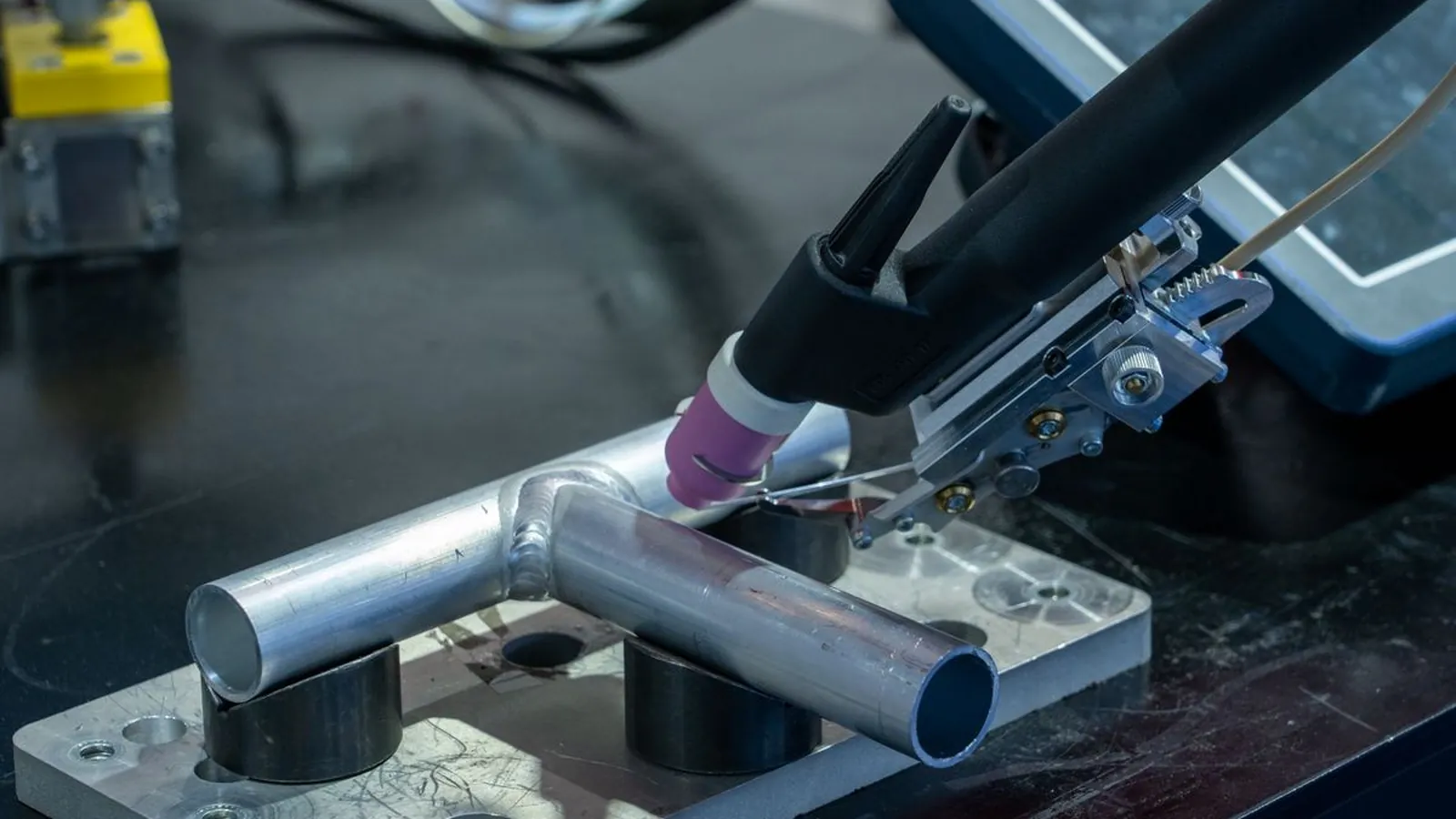
The steels used for roll cages are welded with a suitable process under gas shielding, on prepared and clean edges. Preheating and controlled cooling limit residual stresses. After welding, a visual check of every bead is the minimum, and a more thorough check is useful on the most loaded joints.
Forming is done with a bending former and a suitable bender. A tube bent without a former flattens or cracks. Check the section after bending, especially in tight bends.
Applications in Competition
Steels of the TU37B and 25CD4S type are used for roll cages, body reinforcements, seat mounts and harness anchor points. The choice of grade depends on the regulations and the design of the whole assembly, not on the tube alone.
In every case the complete structure must be sized and validated under the rules of the event. A compliant tube does not guarantee a compliant cage: the whole assembly is what gets checked.
Frequently asked questions
What is the difference between TU37B and 25CD4S?
They are two steel grades with different compositions. The exact values are read on the material certificates and the suppliers' technical data sheets.
What tube diameter should I choose for a roll cage?
The minimum diameter and wall thickness are set by the event regulations. Never choose a section smaller than the one prescribed.
Can these steels be welded easily?
Yes, with careful preparation and a suitable process. Weld quality remains the first condition for the strength of the roll cage.