Technical catalog
GRTS FIA Fabric Bucket Seat: Features and Application
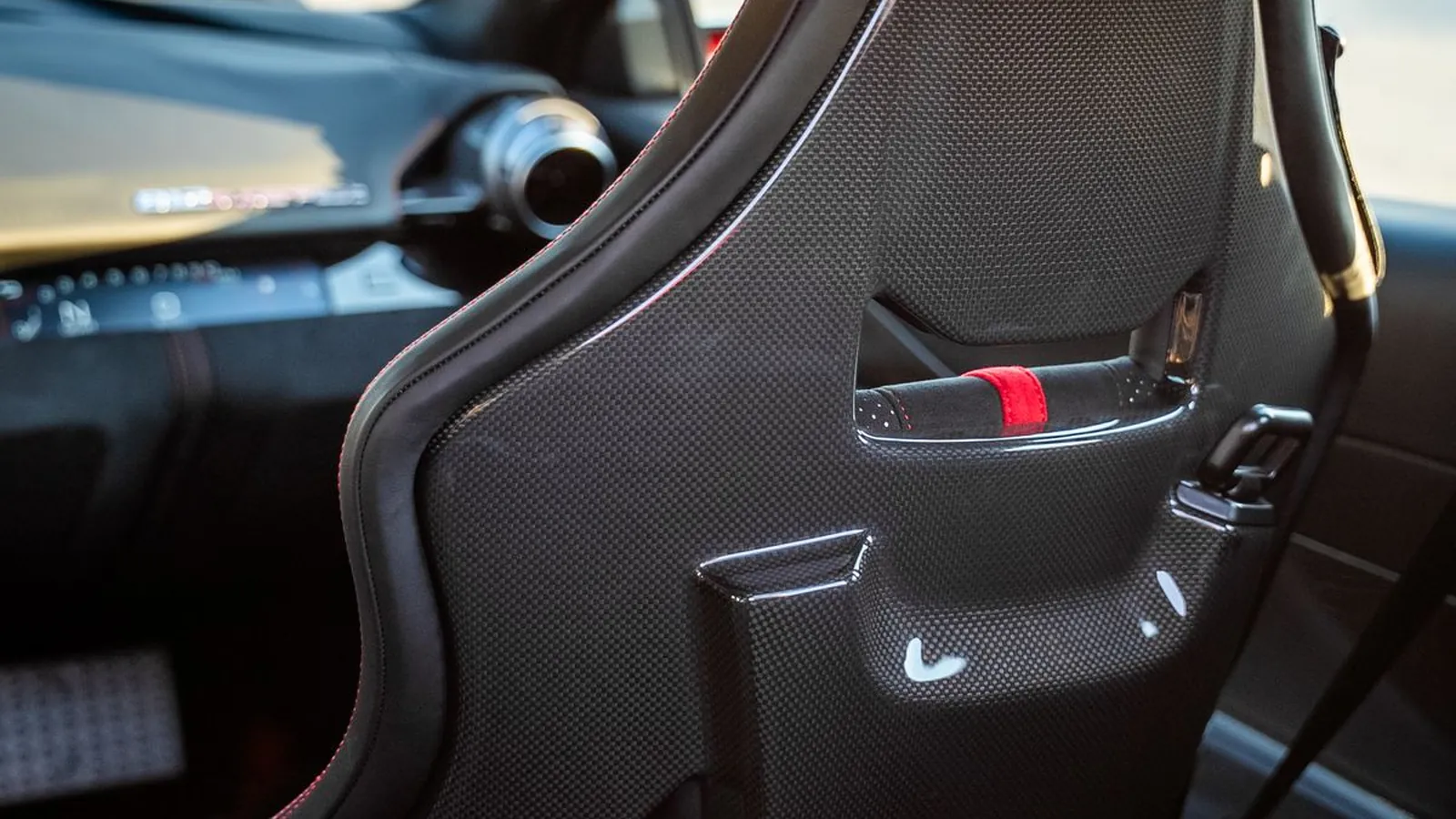
The GRTS FIA fabric bucket seat is a competition seat with an enveloping shell, covered in fabric upholstery. This article explains what a homologated bucket seat is, the materials and fabric covering, the FIA standards and safety, how to choose a seat, installation and mounting, and upholstery care.
What Is a GRTS FIA Bucket Seat?
A bucket seat is an enveloping seat whose shell follows the shape of the driver. The FIA version has been tested to a standard that sets requirements for the strength of the structure and the mounting. Homologation is granted to a given model, not to every seat on the market.
The GRTS designation refers to a seat category or standard; check its meaning on the manufacturer's data sheet. A homologated seat does not guarantee safety on its own: the mounting and the harness matter just as much.
- Note the reference and the homologation label.
- Check the standard and the validity date.
- Confirm acceptance in your category.
Materials and Fabric Upholstery
The shell is usually fibreglass or composite, with foam padding and a fabric covering. The fabric must meet the fire-resistance requirements of the event, or the seat will be refused at scrutineering.
A fire-retardant fabric does not change the mechanical strength of the shell, but it must be compliant. Ask for the fabric data sheet and keep it with the car file.
FIA Homologation: Standards and Safety
FIA homologation requires strength tests and rules for mounting. It is linked to a number and a validity date set by the standard in force, which may change or be replaced.
The seat must be used with the accessories and mountings specified by the manufacturer. A non-compliant installation voids the stated performance.
- Note the number and standard on the label.
- Check validity with the organiser.
- Use the mountings and rails specified for this model.
How to Choose Your Bucket Seat
Choose the shell size for the driver's build, trying the seat in the driving position. A shell that is too wide does not hold the body, and one that is too narrow restricts breathing and arm position.
Also check compatibility with the harness, the position of the anchor points and the regulations of the event before a final purchase.
Installation and Mounting
The seat must be fixed to the vehicle structure, not to the body panels alone. The position must let the driver reach the controls without stretching, and the harness must run through the anchor points provided.
After fitting, check the torque of every fixing, any play in the seat and the harness routing. Recheck regularly, especially after the first sessions.
- Fix to the structure, not only to the bodywork.
- Check the torque of every fixing.
- Check the harness routing through the intended points.
Fabric Upholstery Care
Clean the fabric with a suitable mild product, without aggressive solvents that could alter its fire resistance. Dry the seat in air, away from direct heat.
Inspect the shell at every session for cracks, deformation and rubbing zones. A seat that has taken a hard impact must be replaced or checked by the manufacturer.
Frequently asked questions
How long is the FIA homologation valid for a seat?
It depends on the standard and the regulations. This catalog does not give a general date; check the seat data sheet and the organiser.
Is the fabric fire-resistant?
It must meet the fire-resistance requirements of the event. Ask for the fabric data sheet and confirm the seat is compliant before use.
How do I choose the right shell size?
Try the seat in the driving position. The shell must hold the body without restricting breathing or arm position.