Technical catalog
Peugeot 106 Phase 1 Margard Windscreen
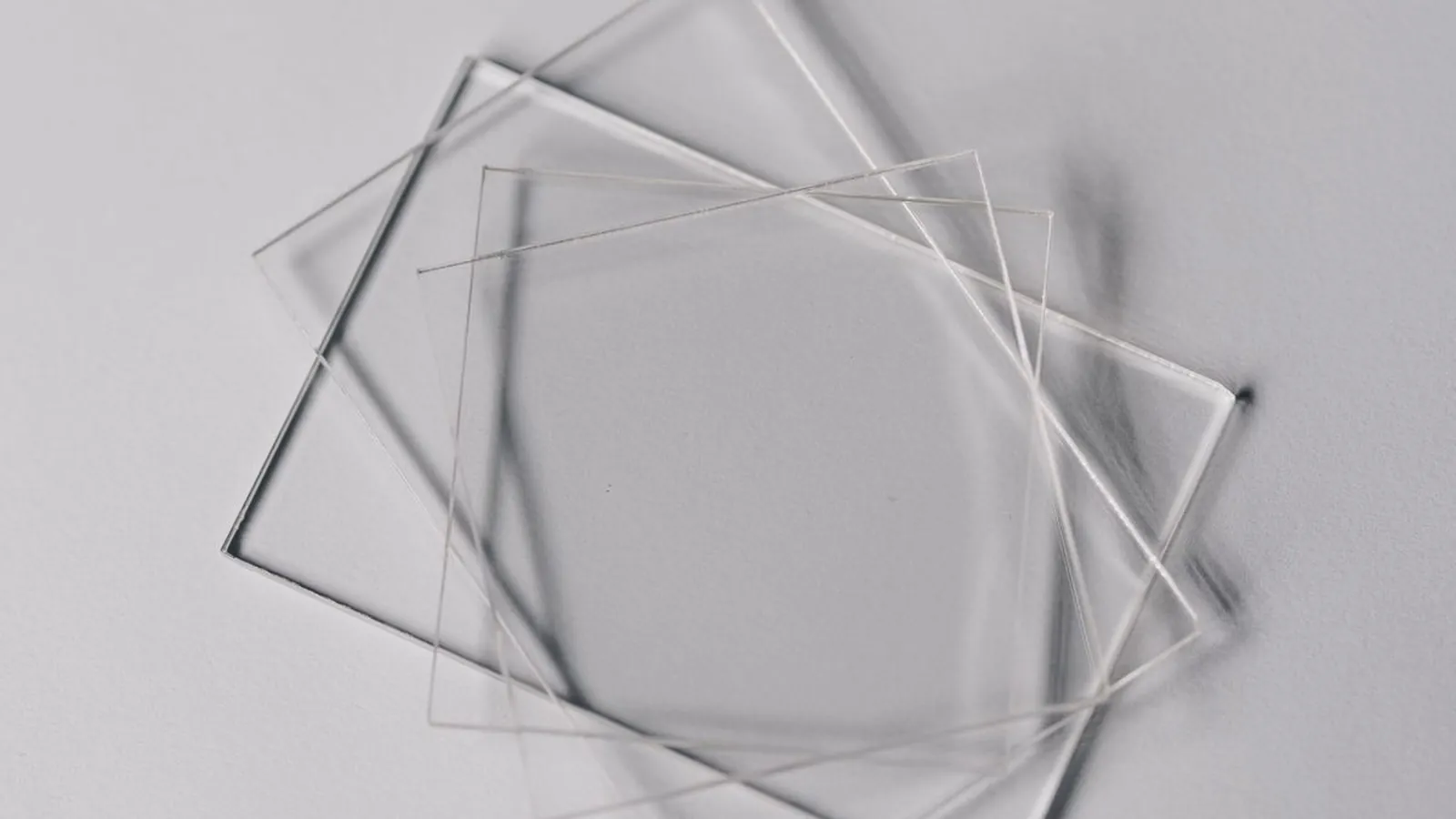
The 5 mm Margard polycarbonate windscreen for the Peugeot 106 phase 1 replaces the original glass on a race car. This article explains what Margard polycarbonate is, the advantages of a polycarbonate windscreen, the comparison with laminated glass, installation and maintenance, staying with the points that can be checked.
What Is Margard Polycarbonate?
Polycarbonate is a transparent thermoplastic, much lighter than glass and very resistant to impact. A thickness of 5 mm is common for competition glazing, because it combines mechanical strength with moderate mass. Margard is the name of a glazing manufacturer; this catalog does not give figures without a verified source.
Exact dimensions, surface treatments and tolerances are given by the manufacturer for each reference. Check them before ordering, because a windscreen cut to the wrong shape cannot be corrected.
- Check the exact reference for the phase 1 car.
- Check the stated thickness.
- Ask the manufacturer for the cutting tolerances.
Benefits of a Polycarbonate Windscreen for Peugeot 106 Phase 1
Weight saving is the first benefit, and it is felt in the centre of gravity high in the body. Polycarbonate handles gravel impacts and collisions well, which reduces the risk of dangerous shards for the driver.
Its drawback is scratching: it must be cleaned with products made for the material and protected as far as possible. A scratched screen reduces visibility, and reduced visibility is a risk in competition.
Margard vs. Laminated Glass: Key Differences
Original laminated glass is stiffer and scratches less, but it is heavy and its shards can be dangerous in an impact. Polycarbonate is lighter and tougher, but it scratches more easily and expands more under heat.
The choice depends on the regulations of the event, which may require a particular type of glazing. Check this requirement first, before comparing materials.
Step-by-Step Installation Guide
Fit the screen with the seals and spacers provided for this glazing, leaving the expansion gap given by the manufacturer. A windscreen clamped too tight will crack the first time it warms up.
Check the centring, the absence of contact with the bodywork and the seal of the gaskets. Recheck the fixings after the first outings, because the screen can settle.
- Respect the expansion gap given by the manufacturer.
- Use the seals and spacers provided.
- Check centring and fixings after the first outings.
Maintenance and Scratch Prevention
Clean the screen with a product made for polycarbonate and a soft cloth, without solvent or abrasive paper. Never wipe it dry over dust, because the grit scratches the surface.
A light scratch is treated as the manufacturer's notice says. A crack, a chip or a deformation means the screen must be replaced, because its strength can no longer be relied on.
Legal Considerations
Glazing rules vary by event, category and country. Some require a particular type of glazing, thickness or approval, and a non-compliant windscreen can be refused at technical scrutineering.
Ask the organiser for the version of the regulations in force before buying, and keep the glazing documentation with the car file.
Frequently asked questions
What are the benefits of a polycarbonate windscreen?
It is lighter and tougher than glass, and its shards are less dangerous in an impact. It scratches more easily and needs suitable maintenance.
Is polycarbonate banned in competition?
That depends on the regulations of the event and the category. Check the version in force with the organiser before fitting.
How do I clean a polycarbonate windscreen?
With a product made for polycarbonate and a soft cloth, without solvent or abrasive, and never dry over dust.