Technical catalog
Flexible Grey PVC Hoses: Applications and Properties
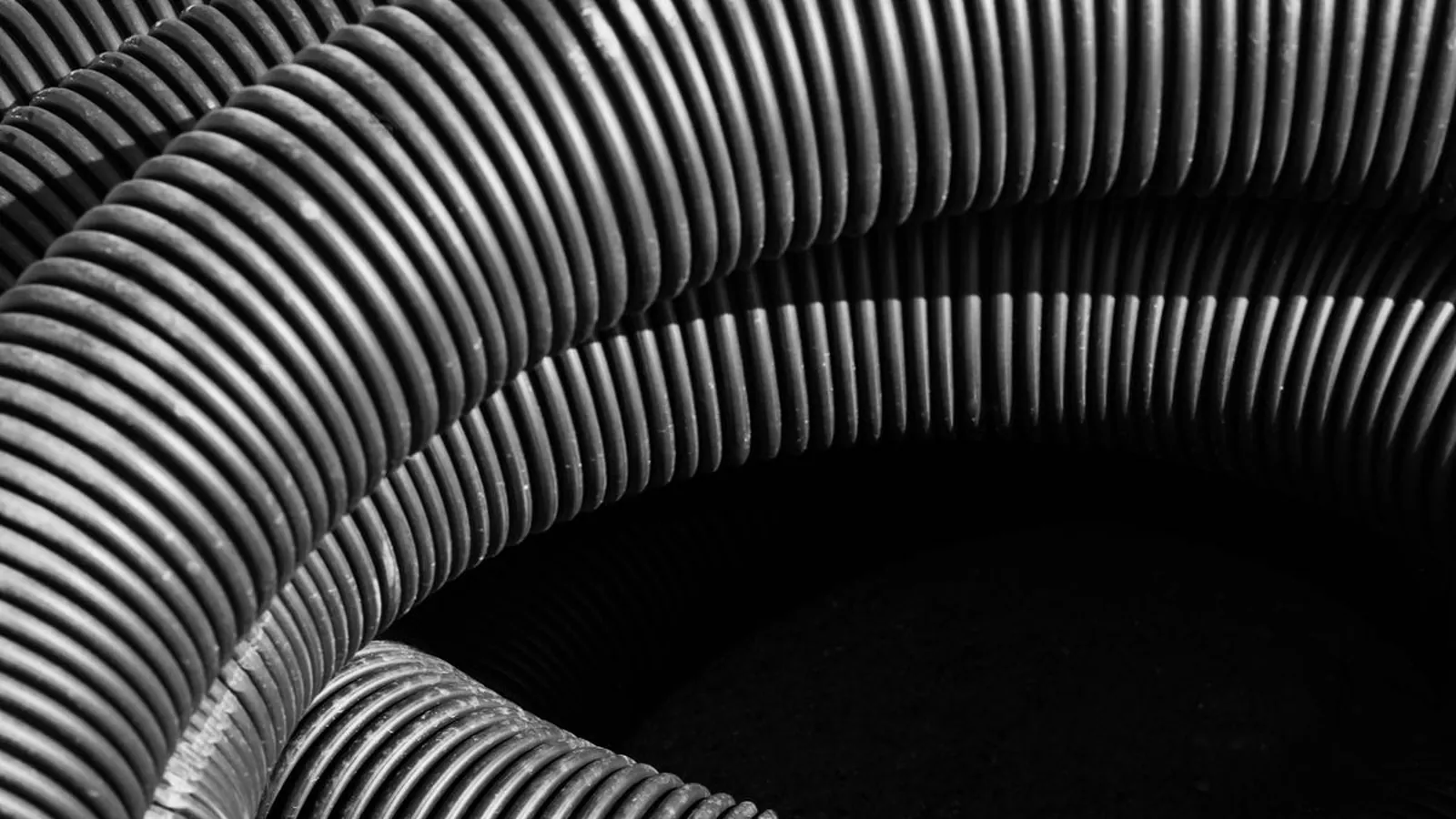
The flexible grey PVC hose is a flexible tube used for ventilation, drainage and the transfer of non-critical fluids or air on a race car. This article covers its characteristics, its advantages, its applications, installation and connection, maintenance, and a comparison with other materials.
Characteristics of Flexible PVC Hoses
Flexible PVC is a polymer that is easy to cut and connect, and that stays flexible at room temperature. The grey hose in this reference is intended for non-critical uses, where pressure and temperature remain moderate. It does not replace a fuel or brake hose.
Dimensions, permitted pressures and service temperatures depend on the reference. This catalog does not give figures without a verified source; check the manufacturer's data sheet before using it.
- Check the inside diameter and the useful length.
- Check the temperature and pressure of use.
- Do not use it for fuel or brake fluid.
Advantages of Flexible PVC
Flexible PVC is light, inexpensive and easy to fit. It adapts to irregular routes without special tools and cuts cleanly. For ventilation or drainage uses it offers a good balance of cost and simplicity.
Its limits are heat resistance and hydrocarbons. A PVC hose that gets hot or sits in oil softens and loses its seal.
Applications: Ventilation, Drainage, Transfer
On a race car the flexible PVC hose guides cooling air to the cabin or a brake, drains condensation, or carries air or a non-aggressive liquid between two points. Each use must be planned for the fluid it carries.
A ventilation hose placed in the wrong spot can draw in dust or water, and a drain hose laid without a fall can hold liquid. Choose the route according to the real use.
Installation and Connection
Cut the hose square and without crushing it. Connect it with a suitable spigot or sleeve, secured by a clamp that holds without marking the PVC. Avoid tight bends, which reduce the bore and encourage leaks.
Clip the hose at regular intervals so that it does not vibrate or rub on an edge. Check the connection after the first outings, because PVC can settle.
- Cut square without crushing the end.
- Tighten the clamp without marking the PVC.
- Avoid tight bends and rubbing.
Maintenance and Durability
Inspect the hose at every session: cracks, hardened areas, traces of leaks, loose clamps. PVC that becomes brittle must be replaced, because it can split without warning.
Do not leave the hose exposed to the sun or to engine heat without protection. Durability depends heavily on these exposure conditions.
Fix the hose at each end and at every support, so that the tension is carried by the clamps and not by the connection. A hose that is pulled between two fixed points will crack at the connection before it cracks anywhere else.
Comparison with Other Materials
Compared with reinforced silicone, PVC is cheaper but less heat resistant. Compared with flexible stainless steel, it is much lighter and easier to cut, but less robust against abrasion and impact.
The choice depends on use, temperature, fluid and budget. For pressurised circuits, a technical material is preferable to PVC.
Frequently asked questions
What is the difference between flexible and rigid PVC hose?
Flexible hose adapts to an irregular route; rigid hose keeps its shape but needs bends and fittings. The choice depends on space and use.
How do I install the hose without leaks?
Cut square, connect with a suitable spigot, secure with a clamp that does not mark the PVC, and check the connection after the first outings.
Can PVC hose carry fuel?
No. PVC is not suitable for fuel or oil under pressure. Use a hose adapted to the fluid concerned.